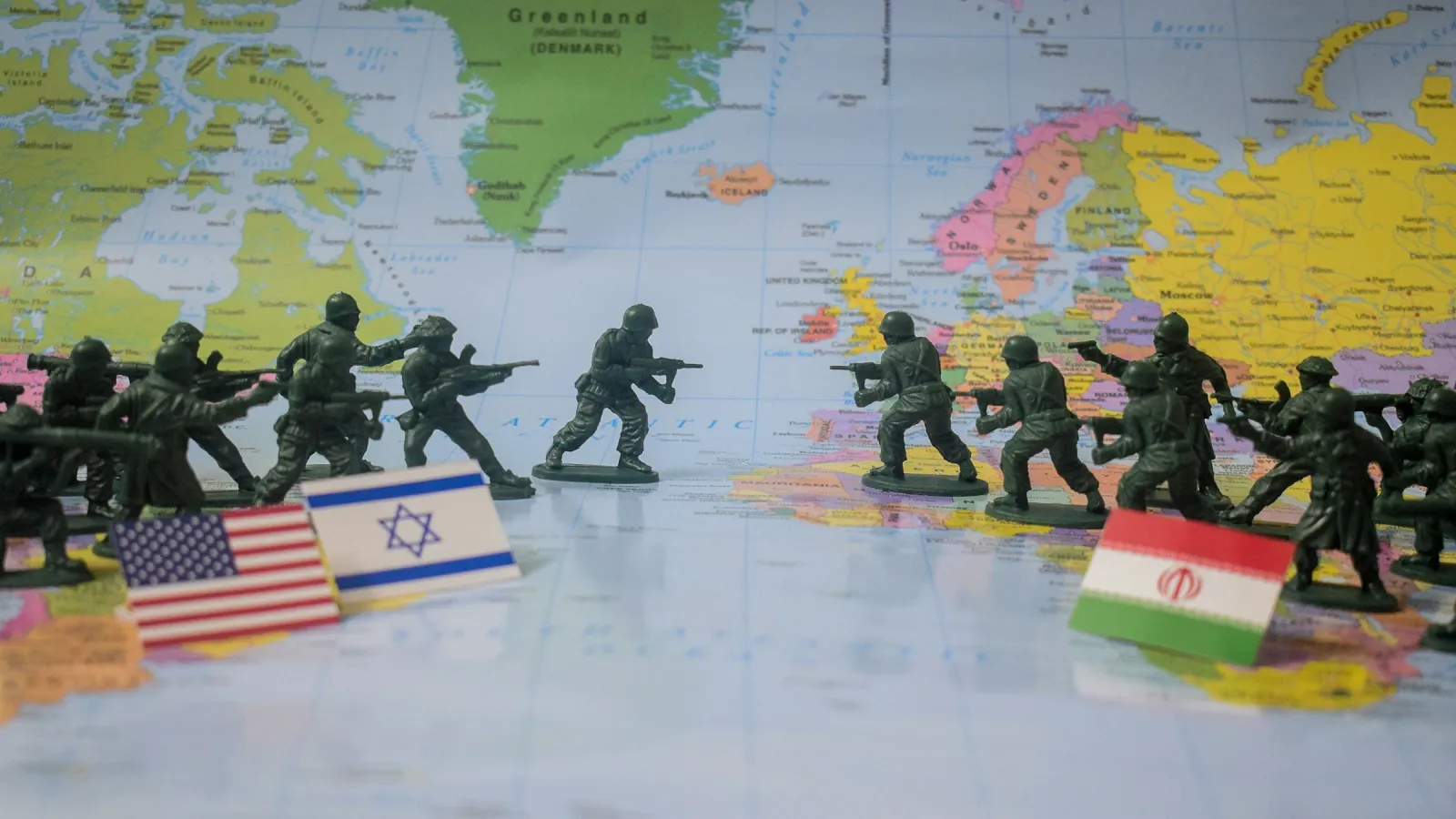
Just 33 kilometres at its narrowest point, the Strait of Hormuz is the most consequential chokepoint in global trade and energy. Nearly a fifth of the world’s oil supply passes through it daily, and when Iran effectively closed it to international traffic in late February 2026, in response to coordinated military strikes by Israel and the United States, the consequences were immediate and far-reaching. Shipping traffic through the strait fell by around 70 per cent almost overnight, with thousands of commercial vessels left stranded in the Persian Gulf or waiting on either side of the blockade. As a result, Malaysia’s tyre industry faces a 26.7% hike in Brent crude prices and a new WFH policy that threatens to soften replacement tyre demand.
Malaysia Tyre Industry Faces Supply Chain Stress Amid Strait of Hormuz Blockade
The impact on global oil prices was swift. Brent crude soared past $119 per barrel in March before settling into an uneasy new range of around $110 per barrel by early April, or around 30 per cent above the old price of around $70-$85 per barrel. For the tyre industry, where crude-linked derivatives account for between 60 and 70 per cent of raw material costs, that shift becomes the whole story.
A Familiar but Different Foe
In 2020, the COVID-19 pandemic, a plague that only a handful of people alive at the time had ever seen before, struck the whole world in a swift, sudden manner. As one of the worst-hit countries in Southeast Asia, with the third-most cases and fourth-most mortalities, Malaysia had no choice but to implement a strict Movement Control Order (MCO), which emptied the streets virtually overnight.
Even though the MCO was enforced with good intentions, it still had some side effects that hurt the country’s various sectors, with the tyre market being one of them. Vehicle sales collapsed, replacement cycles stalled, and the tyre market, valued at approximately USD 1.27 billion, watched its volume decline by more than three per cent in a single year, according to market research firm TechSci Research.
The decline did not last forever, as restrictions were lifted gradually in 2021 and recovery soon followed. Toyo Tires, however, was forced to close its Silverstone plant in Taiping, Perak in 2021 to readjust its business, and many people lost their livelihoods in the process.
Six years on, the closure of the Strait of Hormuz presents another disruption. It is not a pandemic, but its pressure on the industry follows a recognisable pattern: demand suppressed from one direction, costs rising from another.
The Cost of Crude
For the tyre industry, the crude oil price hike poses a serious challenge. Synthetic rubber, carbon black, processing oils, and tyre cord fabrics are all petroleum-\derived, leaving manufacturers exposed to price swings.
In India, tyre makers including JK Tyre, CEAT, and Balkrishna Industries have already implemented aftermarket price hikes of two to five per cent since the conflict began. Industry executives in India predict that a 10 per cent increase will eventually be needed, to be implemented gradually over several months. In Europe, chemical supplier Lanxess has announced price hikes of 50 per cent or more on tyre inputs, citing higher energy and raw material costs alongside logistics disruptions.
Critically, the assumption that budget and low-cost options will remain protected from these pressures does not hold. Chinese tyre manufacturers, who supply a significant share of Malaysia’s market, have also begun raising prices. Shuangqian Tire Group, the company behind Double Coin tyres, for instance, has issued a price increase notice effective March 20, 2026, citing sustained rises in natural rubber and synthetic rubber costs. The company raised the prices of its TBR, PCR, OTR, and bias-ply tyre ranges by two per cent, with further adjustments dubbed as likely.
Carbon black supplier Cabot China raised prices on all speciality carbon black products manufactured in China by 1,800 yuan per tonne from March 15, its second such increase this year. Raw materials account for 70 to 80 per cent of the production costs of radial tyres, and with natural rubber supply tightening due to Southeast Asia’s traditional off-season, and Middle East-driven oil prices pushing up synthetic rubber and carbon black costs, the pressure is industry-wide, regardless of where a tyre is made or how it is priced.
A Country under Pressure
Malaysia is not immune to these upstream pressures. While its status as an oil producer and net energy exporter affords some buffer, Prime Minister Anwar Ibrahim has confirmed that roughly half of the country’s total oil supply has been stranded since the Strait’s closure. The government has been spending around RM6 billion per month to maintain fuel subsidies, a figure that could reach RM60 billion over ten months if the conflict persists. This fiscal strain has already produced one tangible consequence for tyre demand: working from home.
From April 15, Malaysia’s government will implement a Work-From-Home (WFH) policy for ministries, agencies, statutory bodies, and government-linked companies. Civil servants living more than eight kilometres from their offices will be afforded a three-day remote arrangement.

The policy is framed around fuel conservation, but its effect on vehicle utilisation — and by extension tyre wear and replacement frequency — mirrors what happened during the pandemic. Fewer kilometres driven means longer intervals between tyre changes and, since tyre replacement accounts for roughly two-thirds of Malaysia’s tyre sales according to Mordor Intelligence, the downstream impact on the industry is real.
The price environment risks accelerating a trend that premium tyre manufacturers and retreaders have long monitored with concern: the migration toward budget options, or even illegal tyres. Currently, 80 per cent of tyres available in Malaysia are low-cost imports. Even then, illegal tyres still find their way to price-sensitive customers at prices typically 60 per cent below market rate.
With individual RON95 limits cut from 300 to 200 litres per month from 1 April, household budgets are under added strain. And when budgets tighten, tyre purchasing is among the first decisions to be deferred or traded down. The fact that budget alternatives are themselves now facing price increases does not eliminate the risk of a race to the bottom. It simply means the bottom is higher than it was.
A Longer-Term Signal
Not every aspect is looking bleak. The volatility of fuel prices has visibly accelerated EV interest in Malaysia. BYD’s local distributor reported an uptick in inquiries since March, and according to data from the Malaysian Automotive Association (MAA), Malaysia sold 30,848 EVs in 2025, a 109 per cent year-on-year increase, with hybrids adding a further 38,515 units. The Asia-Pacific EV tyre market is forecast to grow at a compound annual growth rate of 10.4 per cent through to 2034, according to Global Market Insights, and tyre manufacturers are already positioning for that shift.
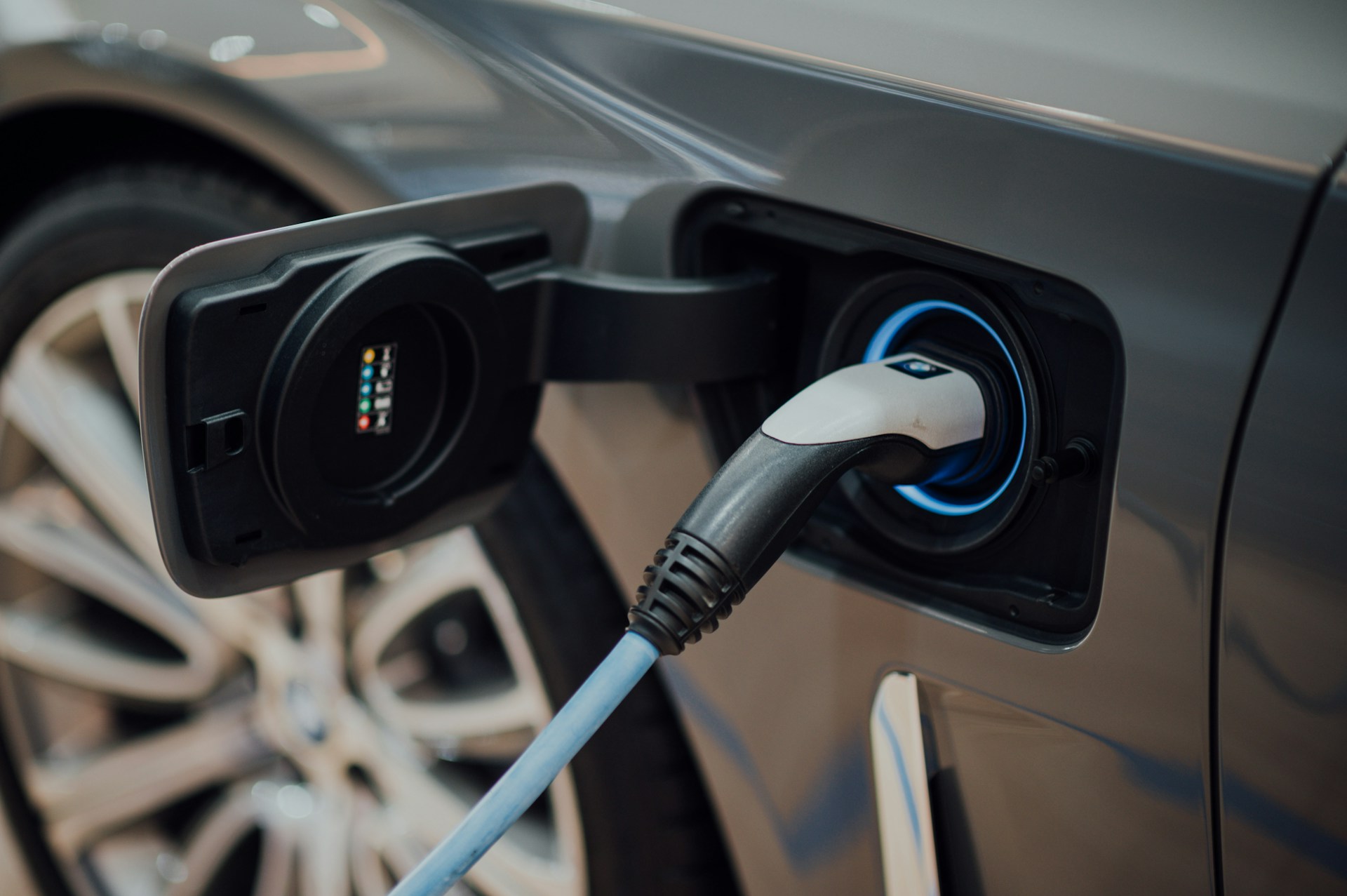
Bridgestone Malaysia showcased its EV-specific Turanza T005 at the Malaysia Autoshow last year. Structural barriers, including the expiry of CBU duty exemptions and charging infrastructure gaps, will moderate near-term adoption, but the directional shift is real, and Malaysia’s tyre industry will need to account for it in its product planning.
A Temporary Reprieve
There is, at last, a tentative reason for cautious optimism. On April 9, news emerged that Iran and the United States had agreed to a conditional two-week ceasefire, brokered in part by Pakistani Prime Minister Shehbaz Sharif, under which shipping traffic through the Strait of Hormuz would be permitted to resume. For an industry whose raw material costs are tied directly to the crude oil prices that the blockade has driven upward, the announcement carries obvious significance.
Of course, not everything will be resolved overnight. The cost increases are already locked into supply chains, from synthetic rubber and carbon black to processing oils and cord fabrics. It will also be unlikely to restore consumer confidence and vehicle utilisation patterns that drive replacement demand. However, if the ceasefire holds and leads to a more permanent solution, the downward trajectory of the tyre industry can be arrested.