
Recent public statements made by leading tyre manufacturers Toyo and Yokohama have stressed the dangers of purchasing branded tyres of spurious origin on the grey market.
Tyre Manufacturers Respond to Unofficial Imports
For Toyo Tyre Sales and Marketing Malaysia Sdn Bhd (TSM), the statement was made in response to the unofficial import of a quantity of Toyo Comfort MC1 tyres that had been brought into Malaysia and distributed by unknown parties.
TSM, the exclusive distributor of Toyo-branded tyres in Malaysia, pointed out that these tyres were not part of the products it distributed, and that TSM therefore disclaimed all responsibility and liability for any issues arising from, or connected to, the purchase of these tyres.
“These tyres may not have undergone testing and/or may not carry the mark and/or certification as required under the relevant Malaysian regulations and standards,” said TSM in the statement. “Consequently, the Toyo Tyre 6-Year Limited Warranty, the Toyo Warranty Plus, and any other warranty or after-sales support extended by TSM do not apply to such products that are not distributed through our authorised channels.”

Yokohama’s statement was more of a general acknowledgement that certain Yokohama-branded tyres had been imported by an unauthorised party for local distribution. Like Toyo, Yokohama referred to the potential lack of the DOT or ‘E’ marks required by the local authorities for legal importation and distribution in Malaysia and pointed out that the company’s warranties would not be applicable to such tyres.
Both Toyo and Yokohama said they were in communication with local government authorities on this matter, with a view to gathering evidence and taking punitive action against those parties illegally importing the tyres.
The Grey Market
Grey market tyres, otherwise known as parallel imports, exist all over the world. They are not counterfeit, but they can bypass intended market specifications, labelling, and warranties. The market exists for a variety of reasons.
Price arbitrage across production hubs such as Thailand, Indonesia, Vietnam, and China, and destination markets encourages traders to re-route stock outside official networks. Meanwhile, regional tyre demand is expanding, sustaining a large replacement market where buyers are highly price-sensitive.
At the same time, the rapid growth of the online tyre aftermarket across Southeast Asia has made it easier for small traders to list imported tyres on mass-market platforms.
This situation has been facilitated by the fact that parallel imports of genuine goods are generally permitted in Malaysia under trademark law, subject to other regulatory compliance. The same is true in Singapore, although brand owners may act where there is confusion or quality disparity.
Certification mismatches are among the most common grey-channel risks, and indeed, this tends to be the focus of most enforcement actions carried out by government authorities. However, compliance with local standards is not the only issue that can arise. Storage and ageing issues, heat-grade and load/speed rating mismatches can also occur across Southeast Asia, while counterfeit or tampered labels are occasionally found among grey imports.
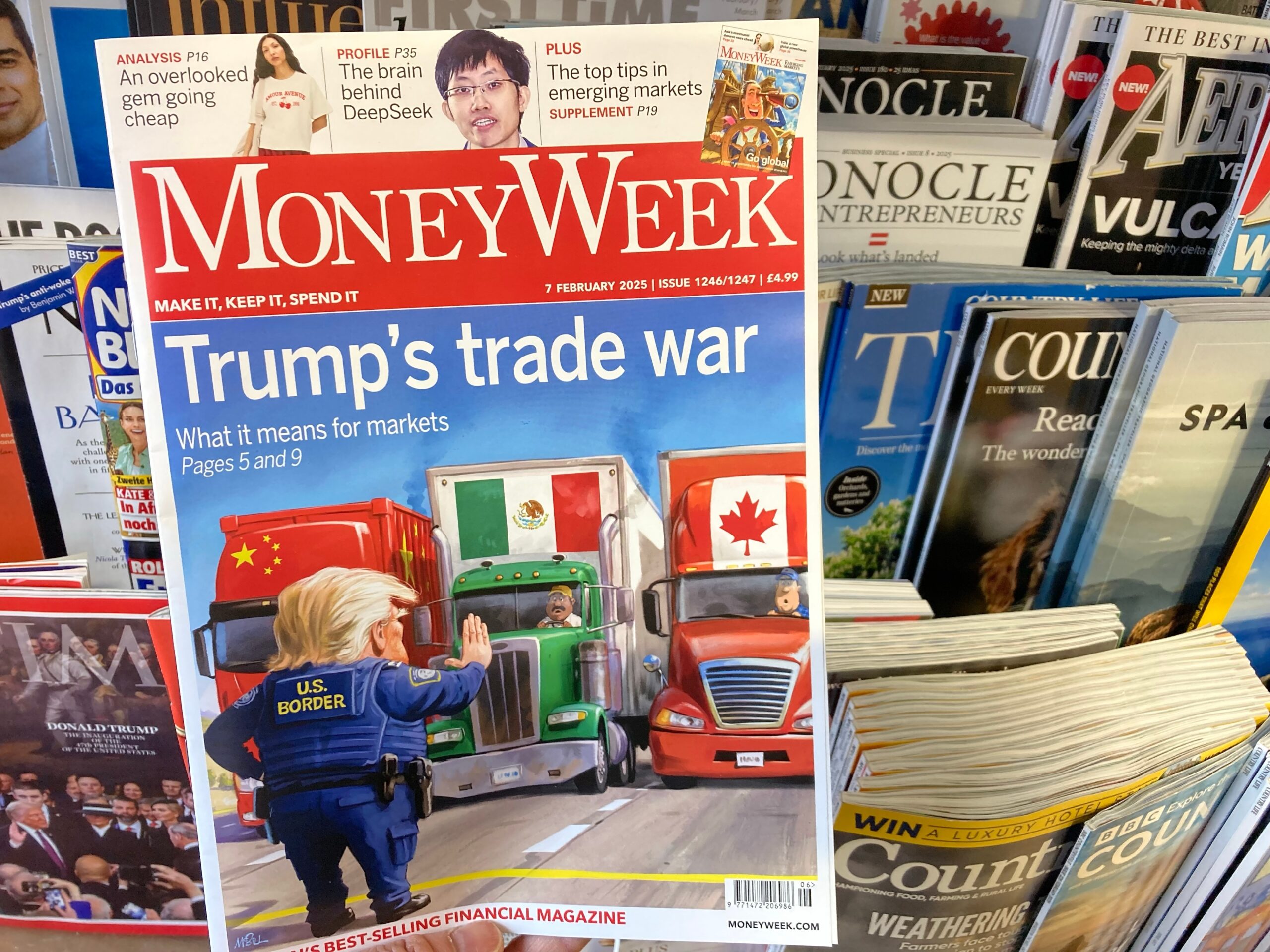
The situation is also being exacerbated by commercial dynamics. Excess capacity in ASEAN and China, plus periodic trade actions elsewhere (e.g., tariffs affecting U.S. flows), can redirect inventory to Asia, intensifying price undercutting via grey channels.
At the same time, SME fleets and budget-conscious consumers are fuelling replacement demand for grey imports, while online marketplaces have tended to simplify the sourcing of mixed-origin stock, making non-compliant tyres more difficult to identify.
The highest risk channels for encountering non-compliant tyres tend to be online market places, where documentation can be weak and listings inconsistent, private sales via social channels such as WhatsApp groups, where cash deals, minimum traceability and cash deals increase the risk, border town traders where labelling and certification is often absent, and smaller independent retailers where competitive pricing can lead to opportunistic sourcing.
Mitigating the Impact
So, what can the market do to mitigate the impact of these dynamics? Clearly, some kind of monitoring programme for online marketplaces and social channels would be advisable, as would tighter verification of certification on imported stock—though neither would be easy to implement.
The most important process, however, would be for the industry to coordinate regulatory referrals and update training materials for retail partners, particularly on labelling issues and tyre ageing. Most importantly, perhaps, a public awareness campaign should be launched to highlight the dangers of purchasing stock from non-official sources.
Although such a campaign could never hope to eradicate the import of non-compliant tyres completely—not least among consumers who do not care where their tyres are from as long as they are cheap—it should, at the very least, help educate those who are unaware of the dangers of purchasing such products.