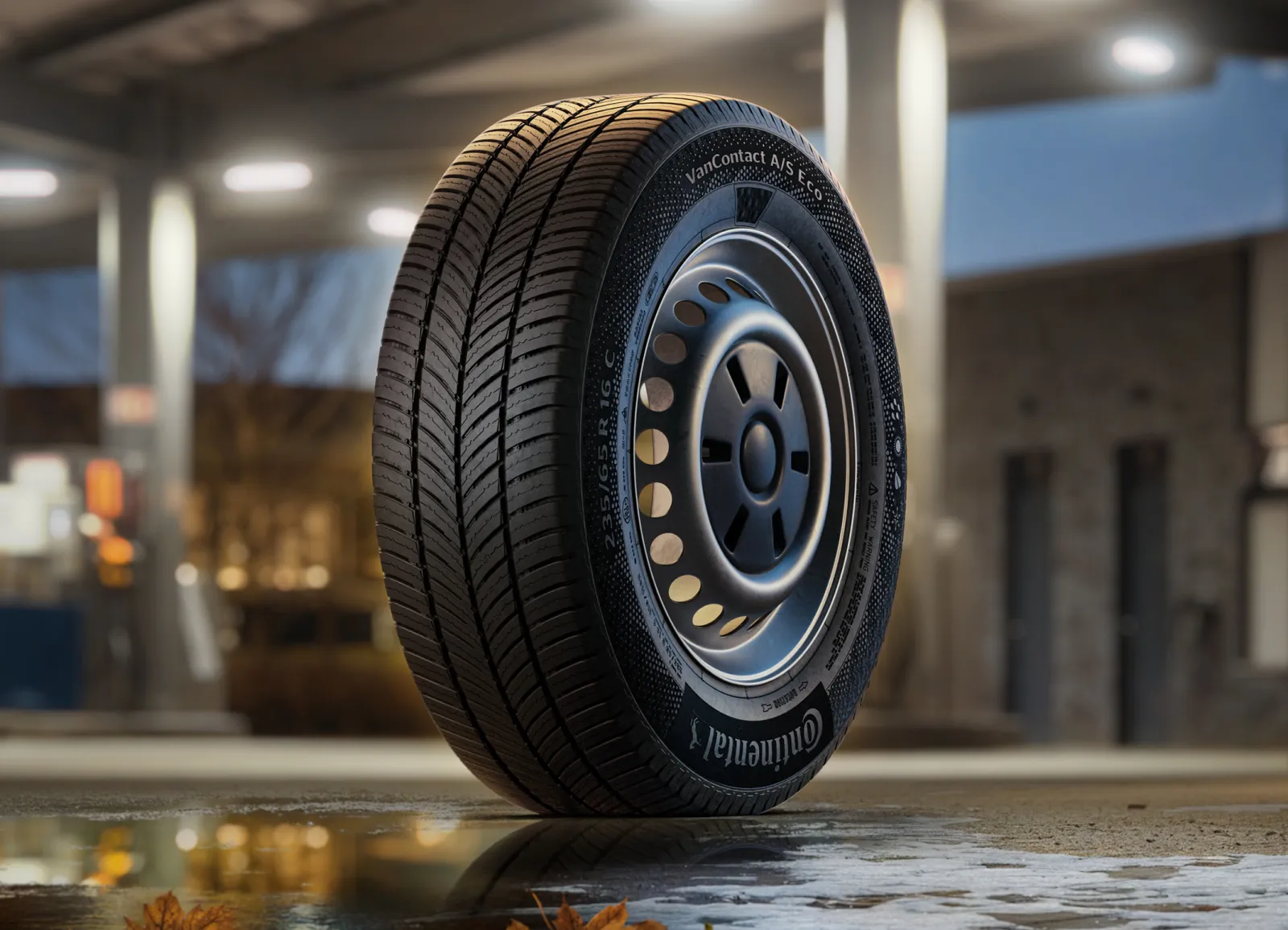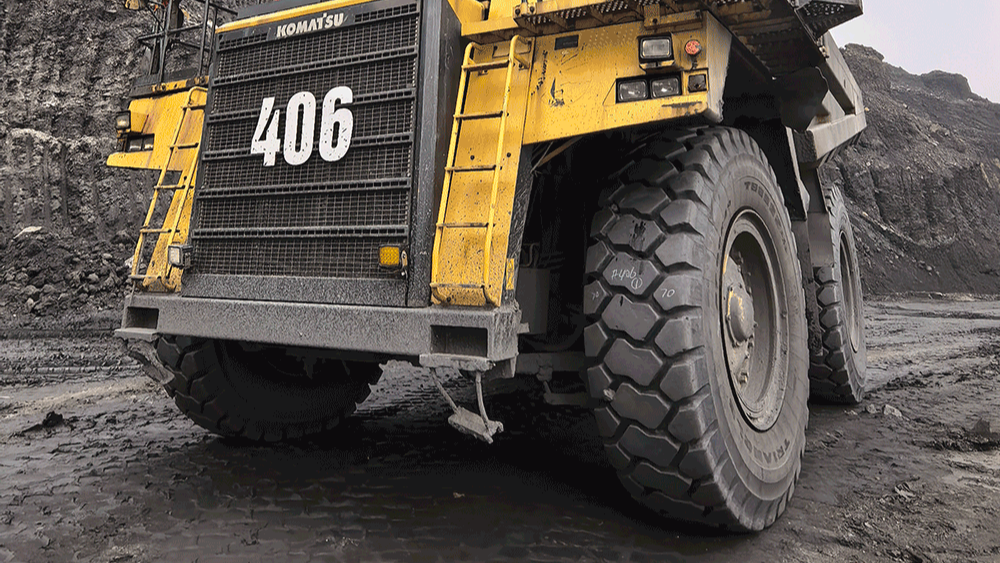

As a concept, rolling resistance has been around since the 18th century, with scientists like Charles-Augustin de Coulomb and Osborne Reynolds making foundational contributions to understanding friction and deformation. Even though this concept should have always been taken into account when it comes to tyre production, that was not the case.
The Importance of Fuel Saving Tyres
At the beginning, manufacturers mainly put their focus on qualities such as durability, grip, comfort, and low noise. For much of the 20th century, rolling resistance never emerged as a selling point; it was, largely, an internal engineering consideration.
This began to change gradually. The oil crises of the 1970s forced governments, vehicle manufacturers, and suppliers to examine fuel efficiency more closely. During this period, tyre makers increasingly worked to reduce rolling losses, but, again, these efforts were rarely communicated explicitly to the customers. Tyre manufacturers optimised it, but they did not frame it as a distinct value proposition.
Then came the 1990s. As environmental awareness grew and vehicle efficiency became a clearer policy objective, rolling resistance moved closer to the public conversation. During this decade, a major technical turning point also came with the wider adoption of silica-based compounds, which allowed rolling resistance to be reduced without sacrificing grip, particularly on wet surfaces. However, at this point, rolling resistance was only described indirectly through terms such as “fuel-saving” or “eco” rather than what it truly was.
Rolling resistance finally became a true selling point by the mid-to-late 2000s. In the early 2010s, especially with the introduction of mandatory tyre labelling by the European Union, this concept became inseparable from tyre marketing. The rise of electric vehicles (EVs) over the past decade also accelerated the shift, as EV range sensitivity made rolling resistance more noticeable in everyday use.
Today, rolling resistance sits at the centre of tyre development, which puts more and more emphasis on sustainability. In Southeast Asia, where fuel prices keep rising every year, EV adoption grows exponentially, and the talks about environmental responsibility start to gain significant traction, rolling resistance matters more than ever. It influences how tyres are engineered, marketed, and sold.
For manufacturers, rolling resistance guides research investment. For retailers, it has become a meaningful point of product differentiation. For consumers, it all comes down to which one gives them the best value for money, not just when buying the tyres but also how the tyres would affect fuel consumption and/or EV range.
Rolling resistance refers to the energy lost as a tyre deforms while rolling. Each revolution compresses and flexes the rubber and internal components, causing energy to dissipate as heat. This loss must be replaced by the engine or electric motor, thus increasing fuel or battery consumption.
Lower rolling resistance means less energy wasted and greater efficiency. In passenger vehicles travelling at steady speeds, tyres are commonly estimated to account for around 20 per cent of total energy loss. For EVs, the effect is more visible because even small reductions in friction can translate directly into extended driving range. For internal combustion engine (ICE) vehicles, the benefit appears as measurable fuel savings over the tyre’s lifespan.
Evidence for these savings is well documented. A controlled motorway study published in Transportation Research Part D in 2022, based on real-world testing in the United Kingdom, found that fitting low-rolling-resistance tyres reduced fuel consumption by 6.89 to 8.37 per cent under steady cruising conditions. Meanwhile, modelling and assessment by the International Council on Clean Transportation indicate that reductions in tyre rolling resistance can lead to around 3 per cent of fuel consumption for passenger cars.
Manufacturers’ testing also supports those findings. Michelin, for instance, reports that its e·Primacy tyre can reduce fuel consumption by up to 0.21 litres per 100 kilometres. Real-world results can vary according to driving behaviour, road surface, and tyre maintenance, but these sources consistently show that lower rolling resistance equals lower energy consumption.
There are several factors that can determine rolling resistance. The compound used in the tread and sidewalls is especially important. High-silica blends and advanced polymers reduce hysteresis, allowing the tyre to deform and recover with less internal friction.
Tyre construction also plays a part. Stiffer, or more precisely engineered casings, limit unnecessary flex. Tread design influences how blocks bend under load, while tyre width and diameter shape the contact patch.
Temperature and speed further affect rolling behaviour, as rubber responds differently when cold, warm, or highly stressed. However, among all these variables, inflation pressure remains the most critical for drivers. Underinflation can increase rolling resistance by 20 to 30 per cent, and this can potentially raise fuel consumption by around 3 to 5 per cent.
With rolling resistance now embedded in consumer expectations, manufacturers have developed strategies to manage it. Michelin with its e·Primacy, for example. The tyre is designed to deliver significantly lower rolling resistance compared to its key competitors, based on the company’s internal testing. The French tyre maker also offers the Primacy MXM4 as an efficiency-focused tyre.
From Japan, Bridgestone’s approach centres on its ENLITEN technology, engineered to reduce both rolling resistance and material usage. Bridgestone claims that ENLITEN can reduce rolling resistance by around 20 per cent. This focus on energy and resource efficiency has led to ENLITEN-equipped tyres being selected as original equipment for EVS like the Volkswagen ID.3. Bridgestone has also expanded the use of ENLITEN technology to its Ecopia range for commercial vehicles, where even a 2 to 3 per cent reduction in fuel use can translate into substantial annual savings.
Continental, meanwhile, has aligned its rolling-resistance strategy closely with its sustainability goals. Its EcoContact and “Green Concept” tyres combine low rolling resistance with a high proportion of renewable and recycled materials.

In the commercial sector, Continental’s EfficientPro and EcoPlus ranges target long-distance efficiency and are supported by modelling tools aligned with regulatory frameworks such as VECTO. Industry data commonly indicates that rolling resistance can account for up to around 30 per cent of a heavy truck’s fuel consumption, making tyre choice an important factor in determining operating costs.
Lastly, Goodyear has prioritised EV requirements in its recent developments. The EfficientGrip range is engineered to deliver low rolling resistance while maintaining the durability required for heavy vehicles. Goodyear’s ElectricDrive tyres, including variants incorporating a high proportion of sustainable materials, are tuned to help maximise EV range while preserving wet-grip and noise performance.
The technological trends across the tyre sector have shown manufacturer-level initiatives. Advancements in compound chemistry continue to reduce heat build-up without compromising grip. Construction techniques are becoming more precise, reducing material quantities while improving structural control. This supports both efficiency and sustainability goals.
At the same time, EV development, which means heavier loads, higher torque, and stricter noise requirements, has also helped the development of tyre designs, in which rolling resistance plays a pivotal role. The use of digital modelling tools and simulators helps tyre makers accurately predict rolling behaviour, as well, thus reducing physical prototyping and development waste.
Rolling resistance also plays a growing role in circular-economy strategies, with several major tyre manufacturers already increasing the use of renewable and recycled materials. Continental has highlighted this practice with its EcoContact range, Goodyear has used this for its ElectricDrive and concept tyres, while Michelin has publicly committed to applying this approach in its tyre development.
Meanwhile, from the truck sector, retreading remains a critical circular-economy practice. When casings are designed to maintain low rolling resistance through multiple retread cycles, fleets benefit from lower operating costs and reduced material consumption.
For the distribution trade, rolling resistance represents an educational responsibility, as well as a commercial opportunity. Retailers can sell more tyres simply by explaining what rolling resistance is, preferably in layman’s terms, and how low-rolling-resistance tyres can help the customers save more money. If necessary, retailers can create a table that showcases how tyre choice affects fuel consumption or driving range. Data from manufacturers can be used in this scenario.
In addition, communicating rolling resistance also means communicating the importance of tyre maintenance. Since underinflation remains one of the most common causes of increased rolling resistance (and energy consumption), retailers are encouraged to educate their customers about regular pressure checks, alignment, and rotation. Messages can be tailored to different customer groups, from private motorists, EV users to fleet operators.
At this point, rolling resistance has become something more than a mere technical jargon. It has become a practical, economical, and environmental consideration across the entire tyre ecosystem. It does matter now more than ever.