Southeast Asia has become one of the world’s fastest-growing digital commerce regions. Growing internet penetration, smartphone usage and digital payment adoption have made consumers increasingly comfortable purchasing products online, including automotive parts and accessories. The broader Southeast Asian automotive aftermarket e-commerce market is forecast to continue growing at a double-digit annual rate, reflecting this structural shift in consumer behaviour.
Trends in Online Tyre Sales
For many tyre buyers today, the journey no longer begins at a tyre shop. Wayne Yu, Founder and CEO of Klinikar, said customers may discover a tyre on Facebook, research it on Google, compare prices, ask questions via WhatsApp and eventually visit a workshop for installation. To them, these are not separate online and offline experiences, but part of a single buying journey.
This changing behaviour is reshaping tyre retail across Southeast Asia, but the region is not following a single path.
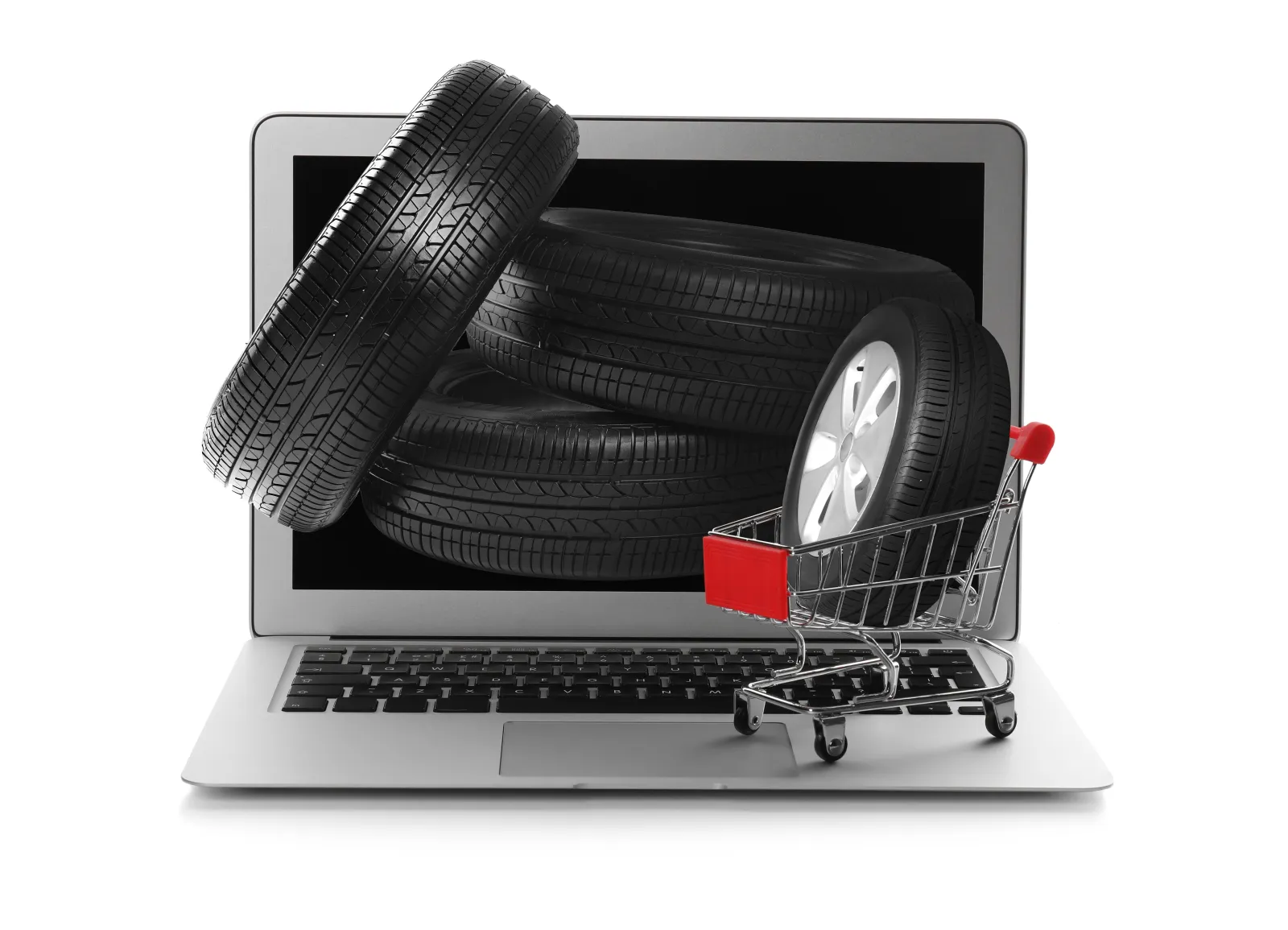
Online tyre retail can broadly be viewed as developing through several stages. The first is digital discovery, where tyre shops use Google, Facebook, TikTok, WhatsApp and other channels to attract customers, with the actual transaction still taking place at the physical shop. The second is marketplace selling, where tyres are listed and purchased through general e-commerce platforms such as Shopee and Lazada. The third is the emergence of dedicated automotive or tyre platforms, where consumers can search, compare and purchase tyres through a specialised digital environment. The fourth is the integrated O2O (online-to-offline) model, where digital platforms connect product selection and purchasing with stock availability, workshop booking, installation and after-sales service.
These stages are not necessarily replacing one another. In many markets, they coexist, creating different routes for consumers to research, purchase and install tyres.
Malaysia’s Diverse Online Tyre Platforms
Malaysia’s experience is particularly interesting because digital tyre retail extends beyond conventional e-commerce. The market sits somewhere between these stages, with general e-commerce platforms, independent dealers developing their own digital presence, specialised online tyre platform such as Klinikar, and emerging online-to-offline (O2O) models such as Tuhu, which entered the Malaysian market in November 2025, operating alongside the traditional tyre shop.
Chuang Shin Yang, General Manager at Swee Hing Tyres Sdn Bhd, who operates its own website and provides a WhatsApp contact number, described the evolution of tyre retailers’ digital presence, from initially listing tyres on Shopee and Facebook, to using Google Maps, followed by the emergence of TikTok and Xiaohongshu.
“The role of social media has also changed. Tyre shops are no longer simply posting products. Some are producing videos, building followers and developing their own digital identities. This represents a significant change from the traditional tyre-buying journey, which relied heavily on word-of-mouth recommendations,” he noted.
Different markets, Different Routes
Other Southeast Asian markets are developing along different routes. Singapore provides a more specialised example. Sgcarmart‘s e-Shop allows consumers to compare tyre prices online, purchase tyres and arrange installation through participating workshops. The model connects online shopping with physical fulfilment rather than treating the two as separate businesses.
Thailand offers another route, with established automotive service networks such as B-Quik bringing their physical operations online. Customers can search for tyres by vehicle or tyre size through its digital platform and access the company’s physical workshop network.
Indonesia has also seen specialised online tyre platforms such as Tyroola Indonesia, which connects online tyre purchases with local fitting services. Vietnam similarly has dedicated online tyre retailers, such as Siêu thị lốp, where consumers can search and order tyres online before arranging installation through physical outlets or having them shipped.
These examples show that Southeast Asia does not have a single model of online tyre retail. Markets are moving at different speeds and through different routes, from digital discovery and marketplace selling to specialised platforms and O2O services.
The development of these channels is also changing consumer behaviour.
Vincent Chen, Operating Director at Tuhu Car Care, said consumers are becoming increasingly digital-oriented, but are not simply looking for the lowest price. They are more willing to compare brands, specifications, prices, reviews and service options before making a purchase.
Yu sees a similar change. “Price remains important, particularly in Malaysia, but consumers are increasingly asking what they are getting for their money. Factors such as safety, brand, tyre condition, installation, warranty and workshop reliability are increasingly part of the buying decision. This points to a gradual shift from price comparison to value comparison. Cheap products are already easy to find online. The next advantage is offering a fair price together with good advice, reliable service and convenience.”
Chuang, however, believes price competition remains intense. In the past, consumers primarily compared tyre prices online. Today, some also check the background and reputation of tyre shops. The growing number of online channels has also made price comparison easier.
“There are too many platforms now. Shopee, Xiaohongshu, Tiktok, Facebook, Instagram, and even Google map. Most tyre dealers will choose to focus on one or two platforms unless they have a lot of resources. Managing several platforms requires resources, but dealers that choose not to sell online risk losing an important source of enquiries.”
Some dealers, he added, may choose to join established networks such as Tyreplus, Continental, Toyo, Yokohama or Tuhu, allowing the network operator to manage the digital side.
Chuang also highlighted the challenges faced by independent dealers. Digitalisation has opened new avenues for customer acquisition, but greater price transparency has also intensified competition and put pressure on margins. At the same time, traditional dealers are having to adapt as digital channels become a more important part of the customer journey.
“Swee Hing previously relied heavily on word-of-mouth recommendations, but more enquiries now come through WhatsApp, its website and Google Maps. Customers often compare prices across several tyre shops and brands before making a decision, requiring staff to respond quickly, provide quotations and manage online reviews. Dealers also need to monitor local demand more closely to ensure they carry the tyres customers want. The shift, therefore, is not simply about selling tyres online, but about changing how dealers attract, serve and retain customers,” he added.
Yu sees an even broader transformation. Many workshops are technically strong but lack the resources or systems to manage digital enquiries effectively. “A customer who sends a WhatsApp message at night may expect a quick response. By the next morning, that customer may already have bought elsewhere. This is one area where we see artificial intelligence becoming useful. Klinikar.ai platform is being developed to assist workshops with online enquiries, recommendations, appointments and follow-up.”
The objective, Yu stressed, is not to replace technicians, but to give independent workshops access to digital tools without requiring them to build their own technology infrastructure.
Chen shared the same views that technology is an enabler rather than a replacement for physical service.
For all three interviewees, the physical workshop remains an essential part of tyre retail. Tyres still need to be correctly fitted, balanced and inspected, and customers often require professional advice before making a purchase.
Chen sees digital and physical operations as complementary. “Digital platforms can improve customer acquisition and service management, and physical outlets remain essential for installation, inspection and after-sales service. This is why O2O is becoming increasingly important across Southeast Asia.”
For consumers, this model reflects a growing preference for a seamless buying experience, connecting online tyre selection and booking with physical installation and after-sales service. Integrating these touchpoints can make the purchasing process more convenient, efficient and transparent.
Trust is the new battleground
The more tyres are sold online, the more important trust becomes. Yu argues that the difficult part is not putting a tyre on a website. The real challenge is making sure that which is promised online can actually be delivered
“Stock availability needs to be accurate. Tyre sizes must be correct. Prices must clearly indicate what is included. Installation, balancing, valves and other charges need to be transparent. Product compliance is another concern,” he added.
The issue extends beyond Malaysia. As online automotive aftermarket sales grow across Southeast Asia, product authenticity, quality and compliance remain important considerations. For tyres, such concerns are particularly significant because they are safety-critical products.
As online tyre retail matures, competition is likely to move beyond price. Reliable information, trust and convenient service could become increasingly important as consumers become more discerning about where and how they buy tyres.
With different online models continuing to develop across Southeast Asia, the future of tyre retail will ultimately depend on how effectively businesses respond to changing consumer expectations—both online and offline.
Image: Shutterstock